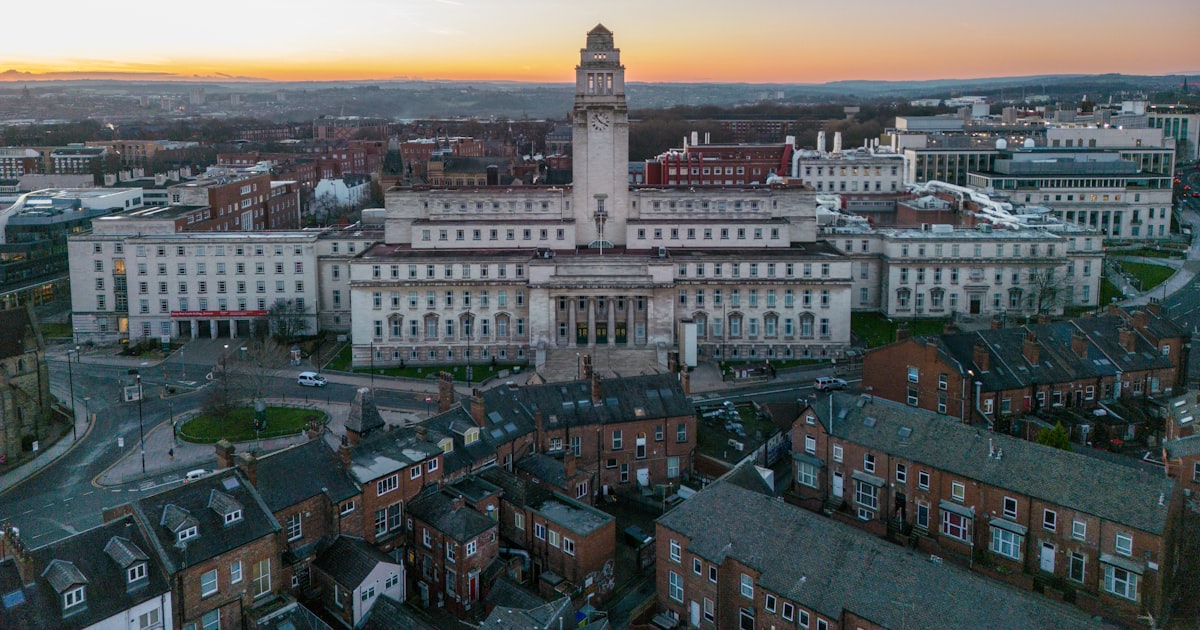

Where new homes get built, how town centres are shaped, whether a much-loved building is protected, and how families find a safe place to live: these decisions shape everyday life, and councils are at the heart of them. The people who make them happen work in town planning and housing. These are practical, varied careers that mix office work with seeing real change on the ground, and they offer steady, long-term prospects in nearly every part of the country.
If you like the idea of work that has a visible effect on your local area, and you enjoy balancing different needs and finding workable answers, planning and housing are worth a serious look. This guide explains what the main roles involve, what qualifications help, and how people get started.
What town planning involves
Town planning, sometimes called town and country planning, is about how land is used and how places develop. Planners help decide where homes, shops, offices and green spaces go, and how a place can grow without losing what makes it work. The job tries to balance the needs of residents, businesses, the environment and future generations, which means there is rarely a perfect answer, only a reasonable one that most people can live with.
Within a council, planning usually splits into a few areas.
Development management
These planners handle planning applications. When someone wants to build an extension, a new housing estate or a supermarket, they apply to the council, and a planner assesses it. The work includes:
- Checking applications against local and national planning policy.
- Visiting sites and talking to applicants and local residents.
- Weighing objections and support from the community.
- Writing reports that recommend whether permission should be granted.
- Presenting cases to councillors who make the final decision on bigger schemes.
Planning policy
Policy planners look further ahead. They help write the local plan, which sets out where development should and should not happen over many years. This involves research, public consultation, and balancing competing pressures such as the need for new housing against protecting countryside and green belt.
Specialist planning roles
There are also more specialist paths, including conservation officers who protect historic buildings and areas, and enforcement officers who deal with building work done without permission.
What housing work involves
Housing is a related but distinct field. Councils have important duties to help people who are homeless or at risk of becoming homeless, and many councils own and manage social housing. Roles in housing include:
- Housing options and homelessness advisers, who help people facing the loss of their home find somewhere to live and understand their rights.
- Housing officers, who manage council tenancies, deal with repairs and anti-social behaviour, and support tenants.
- Allocations officers, who manage waiting lists and decide how council and housing association homes are let, following clear rules.
- Strategy and development roles, which plan and help deliver new affordable housing.
Housing work is people-facing and can be emotionally demanding, because you often meet people at a low point. It can also be very rewarding when you help someone find a stable home.
Qualifications and routes in
The good news is that there is no single way in, and you do not always need a degree to start.
For professional planning roles, many people study a degree or postgraduate qualification in town planning that is accredited by the Royal Town Planning Institute (RTPI), the professional body for planners in the UK. Becoming a chartered member of the RTPI is a recognised marker of a qualified planner and usually involves a mix of an accredited qualification and a period of supervised experience. There are also apprenticeship routes that let you earn while you train towards becoming a planner, which suit people who would rather not study full time.
For housing roles, a degree is often not essential. Many housing officers come in through related work or customer-facing jobs and build up experience. The Chartered Institute of Housing (CIH) is the professional body for housing, and it offers qualifications at different levels that help you progress and show your commitment to the field.
Whatever the role, councils value certain practical strengths:
- Clear writing, because so much of the work involves reports and decisions that have to stand up to scrutiny.
- Good judgement and the ability to weigh competing arguments fairly.
- Confidence dealing with the public, including people who are unhappy.
- Attention to detail and a methodical approach to rules and policy.
Getting your first job
Entry-level roles to look out for include planning assistant or technician, housing assistant, and customer or support roles within these teams. These are a good way to learn how a council works and to decide which direction suits you before committing to a particular qualification.
Council jobs in planning and housing are usually advertised with a job description and a person specification, and you apply through an online form. The person specification is effectively the marking scheme, so go through it line by line and use your supporting statement to show, with real examples, how you meet each essential point. Examples from any customer-facing work, project work, or community involvement all count.
If you are still studying or recently qualified, look for graduate schemes and apprenticeships, which several larger councils run. These give structured training, mentoring and a clear path towards a professional qualification.
Pay and progression
Planning and housing jobs in councils are generally paid under the national local-government pay framework, often called the "Green Book" and agreed through the National Joint Council. Roles sit on a national pay spine of numbered points, which each council groups into local grades shown on the advert. The cash value of each point is set nationally and updated each year, and Scotland has its own arrangements.
Because actual figures change annually and vary by area and seniority, check the salary on the specific advert rather than relying on older numbers. As a rough guide, pay rises as you gain qualifications and take on more responsibility, and chartered or senior specialists tend to earn more. In areas where it is hard to recruit planners, some councils offer extra payments to attract staff.
Progression is real and reasonably clear. A planning assistant can work towards becoming a qualified planner, then a senior or principal planner, and eventually a team or service manager. In housing, an officer can move into specialist, supervisory or strategic roles. Because qualifications from the RTPI and CIH are recognised across the country, experienced staff can move between councils and into related work in housing associations or the private sector.
Is it the right field for you?
These careers suit people who care about their local area and enjoy practical problem-solving where there is rarely one right answer. You need patience, because plans and projects can take a long time, and a thick enough skin to handle disagreement, because almost any decision will please some people and annoy others. In return, you get work that genuinely shapes the places people live, and a profession with steady demand across the whole country.
A few final words
This is general information about planning and housing careers in UK local government, not formal careers or training advice. Qualification requirements and professional body rules change over time, so check current details with the relevant professional body and with the course provider or council you are interested in before making decisions.
When you want to see what is open, you can browse current council vacancies on GovJobs. When a role catches your eye, apply through the relevant council's own website, where you will find the full job description, person specification and application form.