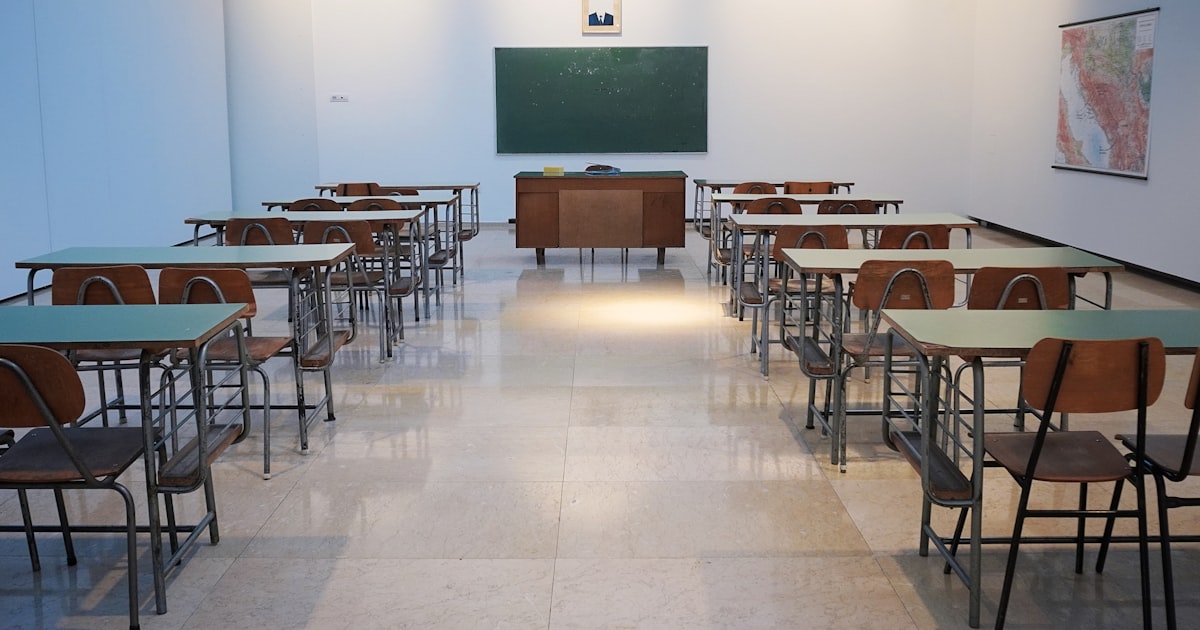

When you picture working in a school, you probably think of teachers. But a school could not run without a much bigger team behind them. From the person who greets you at reception to the staff who keep children safe at lunchtime, support staff make a school work. Many of these jobs need no degree at all, and quite a few need no previous experience either.
If you want a job in a school but do not want to train as a teacher, or you are looking for friendly work with school-friendly hours, support roles are well worth considering. This guide runs through the main types of school support jobs, what each one involves, and how to take your first step.
Why support roles are worth a look
School support jobs suit a lot of different people. Parents often like the term-time hours and the chance to be off during the school holidays. People returning to work after a break find them a welcoming way back in. Others simply enjoy being part of a busy, purposeful place where they help young people every day.
Most of these roles are paid on local pay scales rather than national teacher pay, so wages vary between schools and councils. Many are part-time or term-time only, which is part of the appeal. The exact hours and pay are always set out in the job advert.
Classroom and learning support
These roles put you close to the children and their learning, working alongside teachers.
Teaching assistant
A teaching assistant, or TA, helps the teacher so every child gets the support they need. You might read with a small group, help children who are finding the work hard, or set up the classroom. You do not need a degree, though a college course or apprenticeship in supporting teaching and learning helps you stand out.
Learning support and SEND assistant
Some assistants focus on children with special educational needs and disabilities, often shortened to SEND. This can mean working one-to-one with a particular child, learning about their needs, and helping them take a full part in school life. It is patient, rewarding work, and schools often value warmth and reliability as much as paper qualifications.
Cover supervisor
A cover supervisor looks after a class when the usual teacher is away, supervising pupils as they work through tasks the teacher has set. You are not expected to teach new material, so you do not need teacher training, but you do need confidence and good behaviour management.
Office, admin and reception roles
Every school needs a strong team keeping things organised behind the scenes.
- School receptionist, the welcoming first point of contact for parents, visitors and deliveries
- Administrative assistant, handling letters, records, registers and day-to-day paperwork
- Finance or office assistant, helping with payments, ordering and accounts
- Data or exams officer, keeping pupil records accurate and organising exams
These jobs reward people who are organised, calm under pressure and good with others. Experience from an office in any other sector often transfers well, and a degree is rarely required.
Pastoral and welfare roles
Some staff focus on children's wellbeing, behaviour and personal needs rather than lessons.
- Lunchtime supervisor, sometimes called a midday assistant, who keeps children safe and happy at lunch
- Pastoral or welfare assistant, supporting pupils who are struggling with friendships, feelings or home life
- Family liaison worker, helping families stay connected with the school
- First aider or welfare officer, looking after children who feel unwell or have an accident
These roles suit caring, approachable people who are good listeners. Some, such as lunchtime supervisor, are an easy first step into school life with just a few hours a day.
Site, catering and facilities roles
A school building needs looking after, and so do the children who eat there.
- Caretaker or site manager, keeping the building safe, secure and in good repair
- Cleaner, keeping classrooms and shared spaces clean and healthy
- Catering assistant or cook, preparing and serving school meals
- Grounds and maintenance staff, looking after the outside spaces
Practical, hands-on people thrive in these jobs. Catering roles may ask for a basic food hygiene certificate, but this is usually quick to gain and sometimes provided by the employer.
Safeguarding and the checks you will need
Because every one of these jobs involves being around children, schools must make sure each person they hire is safe to work with young people. This is called safeguarding, and it applies to the caretaker and the cleaner just as much as to the teacher.
Before you start, you will need an enhanced Disclosure and Barring Service check, known as an enhanced DBS. This is a detailed background check, and it includes whether you are barred from working with children. The school arranges it and usually covers the cost. An old caution or conviction does not automatically stop you working in a school, but you must always be honest about your history.
You will also be asked for references and proof of your right to work in the UK. This is standard for any school job and nothing to be anxious about.
How to get started with no experience
If you have never worked in a school, you can still make a strong start.
- Volunteer at a local school, perhaps helping with reading or events, to get a feel for the place
- Point to experience from other jobs, since skills like being organised, caring for others or keeping calm all matter in schools
- Consider an apprenticeship, especially for teaching assistant roles, where you earn while you train
- Be reliable and friendly at interview, as schools want people children and parents warm to
Where to find jobs
- The DfE Teaching Vacancies service at https://teaching-vacancies.service.gov.uk, which lists support staff jobs as well as teaching posts
- GovJobs, where you can browse current school and education roles in one place
- Local council websites, which often list jobs across all their schools
- Individual school websites and local community noticeboards
When you apply, read the job advert closely and answer each point it asks for. Most schools use an application form with a supporting statement, so give real examples of times you have helped people, stayed organised or kept calm. Show that you understand keeping children safe comes first.
Room to grow
Support roles are not dead ends. A lunchtime supervisor might move into a teaching assistant post. A TA might train to become a higher level teaching assistant, or even go on to qualify as a teacher. An office assistant could work up to running a school's administration. Whatever door you come in through, there is usually a way to grow.
A note before you apply
This article gives general information to help you understand the range of school support jobs. It is not formal careers advice, and the exact duties, hours and requirements differ from one school to the next, so always check what each employer asks for.
When you are ready, you can browse current school support vacancies on GovJobs. To apply, follow the link to the school's own advert or to the listing on the DfE Teaching Vacancies service, where you will find the full details and the closing date.