
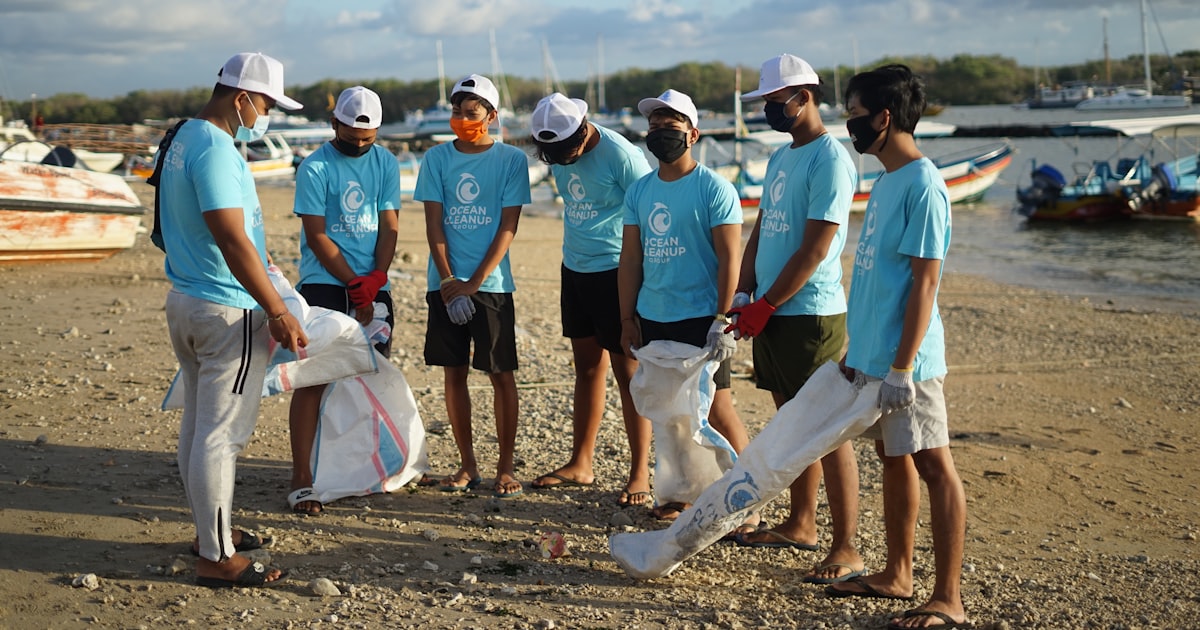
One of the most common frustrations for people trying to get into public services is the experience trap. Adverts ask for evidence of working with the public, handling difficult situations or supporting vulnerable people — but how do you get that evidence if nobody will give you the first job?
Volunteering is the most reliable answer. It is not a consolation prize or a line to pad out a CV. Done properly, a volunteer role gives you exactly the raw material that public sector application forms and interviews demand: real situations, real people, real responsibility. Recruiters in the NHS, policing, councils and schools see volunteer experience constantly and take it seriously, because they know what it involves.
This article looks at the main volunteering and work experience routes into public services, how to turn what you do into strong application answers, what to expect from background checks, and — honestly — how much time these commitments really take.
Why volunteering counts as real evidence
Public sector recruitment is mostly evidence-based. Application forms and interviews ask you to describe times you actually did something: calmed someone who was upset, worked in a team under pressure, spotted a problem and acted. They rarely care where the example comes from. A story about reassuring an anxious patient as a hospital volunteer scores just as well as the same story from a paid role.
That levels the field for career changers, school leavers, parents returning to work and anyone whose paid experience does not match the job they want. If you are starting from scratch, our guide to public sector jobs with no experience pairs well with this one.
Volunteering also does something quieter but just as useful: it tests the career on you. A few months on a ward or with a police team will tell you far more than any careers page about what the work feels like — and it is much better to find out before you commit to training.
NHS volunteering
Most NHS hospital trusts run a voluntary services team, and many community and mental health services take volunteers too. Typical roles include helping patients at mealtimes, guiding visitors around the hospital, befriending patients who have few visitors, supporting ward staff with non-clinical tasks, and helping in patient transport lounges or hospital shops.
None of this is clinical work, and that is the point. What you gain is time in a healthcare setting: talking with unwell and sometimes confused people, working alongside nurses and support staff, seeing how a ward runs. For anyone aiming at a support role — for example through our guide on becoming a healthcare assistant — this is close to ideal preparation, and it gives you honest, first-hand answers when an interviewer asks why you want to work in care.
Apply through the trust's own website or its voluntary services office. Expect an application form, an informal interview, a background check and some induction training before you start.
Special constables
Special constables are volunteer police officers. This is the deepest commitment on this list, and the most demanding. Specials wear the same uniform as regular officers, hold the same legal powers, and carry out real policing — patrols, incidents, events — alongside paid colleagues, after a substantial period of training provided by the force.
Forces expect a regular ongoing commitment, usually described as a set number of hours each month, and the recruitment process is a serious one, with vetting, references, and medical and fitness checks. In return you get policing experience that nothing else outside the job can match. Many specials serve for years as a way of giving something back alongside another career; others use it to test the water before applying to join as a regular officer — our guide on how to become a police officer covers that route.
Be realistic before applying. Policing exposes you to conflict and distressing situations. If that is not for you, plenty of forces also take volunteers in non-officer roles, from front-counter support to cadet leadership.
On-call firefighting — similar idea, but paid
On-call firefighters, sometimes called retained firefighters, crew fire stations in towns and rural areas that do not need full-time cover. They live or work near the station, carry an alerter, and respond when called. It sits naturally in this article because people combine it with other jobs, but one point of honesty first: it is not volunteering. On-call firefighters are paid, typically through a retaining fee plus payments for incidents and training.
The commitment is real. You agree to be available for set periods each week, you train regularly, and you must be able to reach the station quickly when the alerter goes. In return you get professional training, a role at the heart of your community, and experience that fire and rescue services value highly if you later apply for full-time posts. Each fire and rescue service recruits on-call staff directly, so check the one that covers where you live and work.
Schools, libraries and community roles
Not every route involves uniforms or hospitals. Some of the most useful experience is the quietest:
- School reading volunteers, who listen to children read each week — valuable for anyone considering teaching or support roles in schools.
- School governors, who help oversee how a school is run — genuine board-level experience open to ordinary people.
- Library volunteers, who help with events, reading groups and digital skills sessions.
- Community and charity roles, from food banks to youth clubs, sports coaching to befriending older neighbours.
These roles build exactly the skills public sector adverts ask for: communication, reliability, patience, safeguarding awareness. A year of turning up every Tuesday to hear children read says more about you than most certificates.
Turning volunteering into application answers
Experience only helps if you can talk about it well, and this is where many volunteers undersell themselves. Two habits fix that.
First, keep a simple log. After each shift, jot down anything that stretched you: a confused visitor you helped, a disagreement you smoothed over, a task you organised. Memory fades fast, and these small stories are the currency of public sector applications.
Second, learn to structure them. Most public sector interviews and forms reward answers built around a situation, the task you faced, the action you personally took, and the result. Our guide to the STAR method shows exactly how to do this. Notice the emphasis on you: "we" answers score poorly, so practise saying what you did, decided and said.
When you write, be concrete. "I volunteered at a hospital" is a fact. "I noticed a patient had not touched her lunch, sat with her, and let the nurse know she seemed low" is evidence.
DBS checks for volunteers
Many volunteer roles involve children or adults at risk, so expect a background check before you start. In England and Wales this is a DBS check, run through the Disclosure and Barring Service; Scotland and Northern Ireland have their own equivalent schemes. The organisation you volunteer with arranges the check — you cannot apply for the higher-level checks yourself — and the level depends on the role. For genuine volunteer positions there is usually no charge for the check itself, though the organisation may pay a small admin fee to the body that processes it.
A criminal record does not automatically stop you volunteering. What matters is whether anything on the record is relevant to the role, and honesty always beats concealment. For a plain-English walkthrough of levels, spent convictions and what checks actually show, read our guide to DBS checks explained.
Balancing volunteering with paid work — an honest word about time
Volunteering has to fit around rent, shifts and family, and pretending otherwise helps nobody. So be honest with yourself, and with the organisation, about what you can sustain.
A few hours a week, kept up for months, is worth far more than an ambitious commitment you abandon after three weeks. Charities and services invest training and checks in every volunteer, and reliability is the single quality they prize most — which is convenient, because it is also the single quality employers most want proof of. If your shifts vary, look for flexible roles such as event support or one-off community projects rather than a fixed weekly slot you will keep missing.
Watch for costs too. Good organisations cover volunteer travel expenses; ask before you commit rather than discovering the bus fares are eating your budget. And set a rough review point — after six months, ask yourself what you have learned, what evidence you have gathered, and what your next step is. Volunteering should move you towards the paid role, not become a substitute for applying.
When you feel ready to apply, you can browse live vacancies across the NHS, councils, policing and the civil service on our public sector jobs listings — many entry-level adverts explicitly welcome volunteer experience, so read the person specification with your log of examples beside you.
Sources and further reading
- NHS England — the national body for the NHS in England; individual trusts advertise their own volunteering schemes.
- Home Office — the department responsible for policing, including the special constabulary.
- Disclosure and Barring Service — official information on checks for paid and volunteer roles.
- National Careers Service — advice on using volunteering to build skills and experience.
This article is general careers information, not formal advice. Always check the official source and the specific job advert for current details.