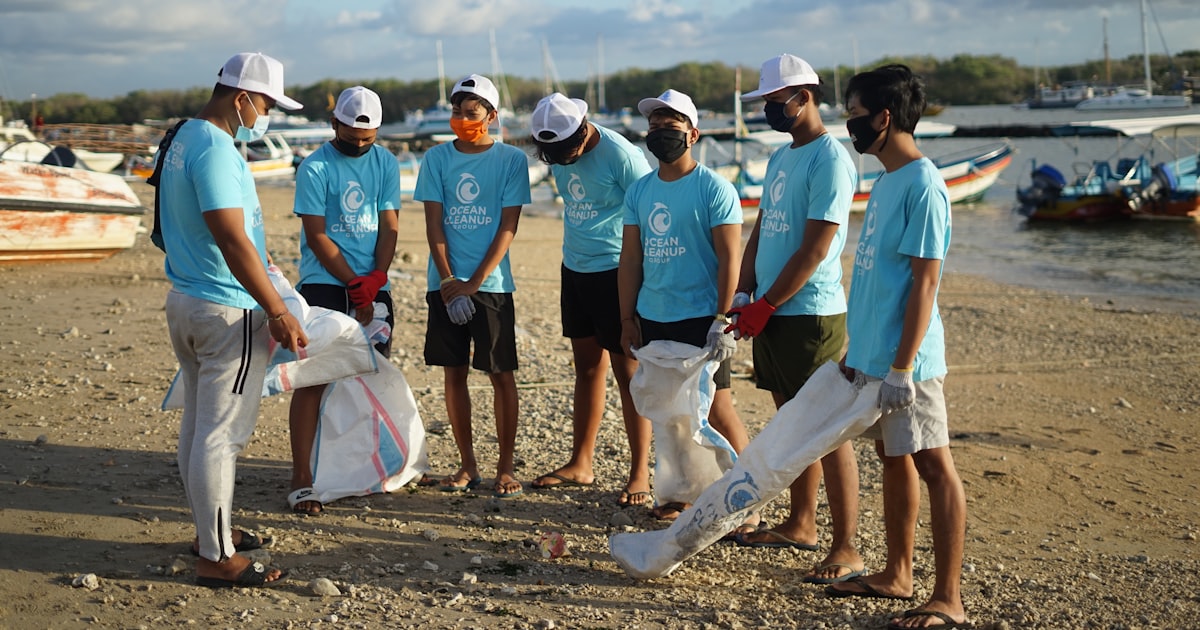

Most health jobs are about treating one person at a time. Public health is different. It is the work of keeping whole communities well — stopping outbreaks before they spread, helping people avoid illness in the first place, and using data to spot problems early. It is done in council offices, laboratories, health agencies and NHS buildings, and much of it never involves touching a patient.
That makes it one of the most interesting corners of the public sector for people who care about health but do not want, or do not have, a clinical qualification. Analysts, project managers, scientists, nurses, environmental health officers and career changers from care work all find a home in it.
This guide explains what public health work actually involves, where the jobs sit, the main roles from practitioner to consultant, and the routes in. It focuses on the UK, where responsibility is shared between local councils, national agencies and the NHS.
The three strands of public health
Public health work is usually described in three broad strands. Real jobs often mix them, but the labels help you read adverts:
- Health protection. Defending people from infectious diseases and environmental hazards. Think outbreak investigation, vaccination programmes, contact tracing, and advice when something dangerous turns up in the water, air or food chain.
- Health improvement. Helping people live healthier lives. This covers work on smoking, healthy weight, physical activity, drugs and alcohol, mental wellbeing and the wider things that shape health — housing, work, money and community.
- Health intelligence. The data side. Analysts and scientists measure how healthy a population is, find the gaps between different groups, and work out which services and policies actually help.
A fourth strand runs underneath all three: making services work. Public health teams commission services — meaning they plan, buy and monitor them — from stop smoking support to sexual health clinics. That needs programme managers, commissioners and contract officers as much as it needs scientists.
Where public health jobs sit
Public health is unusual because it is spread across several types of employer, and the same job title can appear in very different organisations.
Local councils. In England, councils hold responsibility for much of the public health of their area, led by a Director of Public Health. Council teams work on health improvement, commission local services, respond to local incidents and produce intelligence about their population. These are local government jobs, on local government terms — our guide to getting a job in local government explains how that world works. Arrangements differ in Scotland, Wales and Northern Ireland, where national health bodies carry more of the load, but councils everywhere employ people whose work shapes health.
The UK Health Security Agency. UKHSA is the government agency responsible for protecting the public from infectious diseases and environmental hazards. It employs scientists, epidemiologists (specialists who study how disease spreads through populations), analysts, emergency planners, laboratory staff and corporate teams. It has sites and regional teams across the country, and its roles are advertised through Civil Service recruitment.
The NHS. Health protection nurses, screening and immunisation teams, infection prevention specialists and public health analysts all work inside the NHS. Integrated care boards — the bodies that plan NHS services for an area — also employ population health teams.
National government. The Department of Health and Social Care and its Office for Health Improvement and Disparities work on national policy: the rules, campaigns and programmes that set the frame for everyone else.
The roles, from practitioner to consultant
Job titles vary between employers, but a rough ladder looks like this. Public health practitioners deliver programmes on the ground — running a smoking cessation service, coordinating a vaccination campaign, or leading community health projects. Health protection practitioners, often from nursing or environmental health backgrounds, respond to cases and outbreaks of infectious disease.
Analysts and intelligence officers sit with the data: building dashboards, answering "is this getting better or worse?", and turning messy figures into advice a councillor or director can act on. Epidemiologists and public health scientists do deeper research and modelling, particularly in UKHSA and academic partnerships.
Programme managers and commissioners keep services running — writing specifications, managing contracts and tracking whether providers deliver. And at the top of the specialist ladder sit consultants in public health and Directors of Public Health: senior leaders who have completed a recognised specialty training programme and carry professional registration. Getting there takes years, but the training route is open to people from backgrounds beyond medicine, which is unusual among senior health careers.
Around all of these sit the support roles every team needs — project support, business administration, communications — which are often the easiest first step in.
Routes in
There is no single door into public health, which is honestly part of its appeal. The common routes are:
- A degree, then an entry-level role. Degrees in public health, health sciences, life sciences, geography, sociology, maths or statistics all lead in naturally. Many people add a master's in public health later, often funded or supported by an employer, but plenty of people start without one.
- Apprenticeship-style routes. Employers increasingly offer earn-while-you-learn routes into public health and data roles, where you work in a team while studying for a recognised qualification. Look for these on council and agency job boards.
- Moving over from health and care work. Nurses, midwives, environmental health officers, health trainers and experienced care workers bring exactly the frontline understanding public health teams need. Screening, immunisation and health protection teams often recruit directly from these backgrounds, and the wider family of health careers is worth exploring — our guide to allied health professions shows how varied clinical routes can be.
- Sideways from analysis or policy. Data analysts, researchers and policy officers in other fields can move into health intelligence teams, where the methods transfer and the subject knowledge can be learned.
- The specialty training programme. For those aiming at consultant level, a national training scheme recruits both doctors and people from other backgrounds through a competitive process.
Whichever route you take, entry-level adverts appear frequently. NHS-hosted roles are usually applied for through the NHS recruitment system — our guide to applying on Trac covers the practical steps — while UKHSA roles follow Civil Service recruitment and council roles use each council's own portal.
Why public health grew in prominence
For years, public health worked quietly in the background. The COVID-19 pandemic changed that. Suddenly the whole country was watching epidemiologists explain graphs, contact tracers make calls, and local teams stand up testing and vaccination sites. The experience left a lasting mark: governments and councils invested attention in health protection, and the discipline became a career people had actually heard of.
The quieter reason for its growth matters just as much. Health services everywhere are under pressure, and treating illness after it happens is the expensive way round. Prevention — helping people stay well — is where much of the long-term thinking in health now points. That means demand for people who can run prevention programmes, understand communities and prove what works with data.
There is also the fairness question. Health in the UK varies sharply between places and groups, and narrowing those gaps is a stated aim across national and local government. Public health teams are the people tasked with actually doing it.
Skills that help, and how to start
You do not need to be a scientist, though science helps in some roles. Across the field, employers look for clear writing, comfort with numbers, the ability to work with communities respectfully, and the patience to make change happen through other people — councils and agencies rarely deliver anything alone. Curiosity counts: the best public health people keep asking why a problem exists rather than treating its symptoms.
If you are starting out, three practical moves help. First, read your local council's public health reports — every area publishes them, and they tell you what your local team cares about. Second, get any experience that touches health, data or communities, paid or voluntary. Third, set up alerts for the job titles above so you see how often they really appear.
When you are ready to look, browse the current NHS jobs and council jobs listed on GovJobs — searching for "public health", "health improvement" or "health protection" will surface the roles this article describes, from entry level upwards.
Sources and further reading
- UK Health Security Agency
- Office for Health Improvement and Disparities
- Department of Health and Social Care
- NHS Health Careers
This article is general careers information, not formal advice. Always check the official source and the specific job advert for current details.