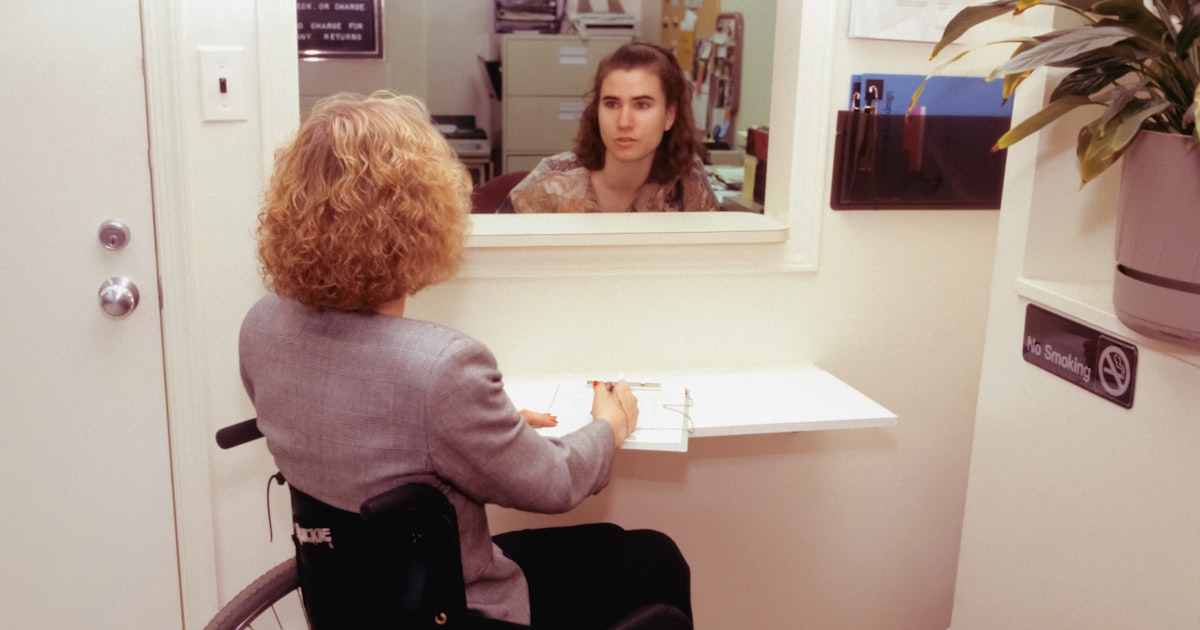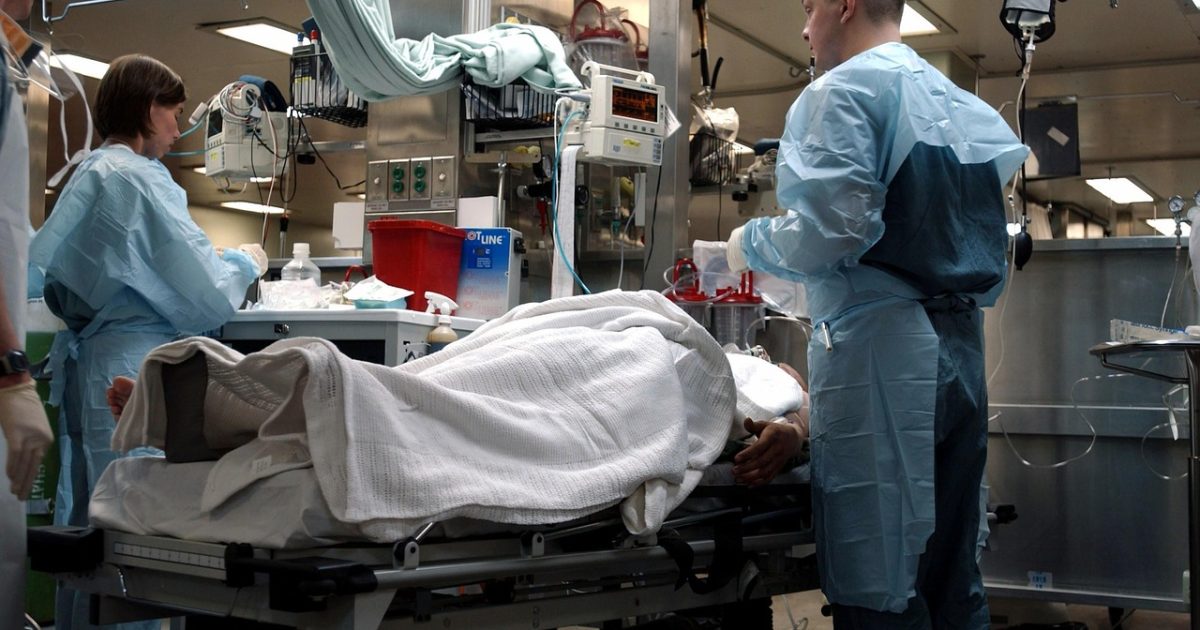

When most people picture NHS staff, they think of doctors and nurses. But there is a third large group that keeps the health service running: allied health professionals, often shortened to AHPs. These are the staff who help people move, eat, speak, see, breathe and recover. If you want a hands-on, people-facing career that is not nursing or medicine, this is a part of the NHS worth knowing about.
AHPs work in hospitals, clinics, GP surgeries, schools, care homes and people's own houses. The roles are varied, the training is respected, and demand for these skills is strong. This guide explains what allied health professionals do, the main roles, the kind of person who thrives in them, and the usual routes in. It is general information to help you explore the options.
What is an allied health professional?
Allied health professionals are a group of registered clinical staff who are not doctors, nurses or dentists. Each role has its own training, its own focus, and its own professional register. "Registered" means you must be on an official list to practise, which shows you have met set standards.
What links these very different jobs is a shared purpose: helping people live and function as well as possible. Some AHPs treat injuries. Some help people regain skills after illness. Some run tests and scans. Some support communication or mental health. Together they make up one of the largest staff groups in the NHS.
Most AHPs are registered with the Health and Care Professions Council (HCPC), the body that sets standards for many of these roles. A few have their own separate registers. The point is the same for all of them: you train to a recognised standard, then keep that registration up to date.
The main allied health professions
There are several recognised allied health professions. Here are the better-known ones, with a short, plain description of what each does.
Physiotherapist
Physiotherapists help people move better and manage pain. They work with patients recovering from injury, surgery or illness, and with long-term conditions. You might see them helping someone walk again after a stroke, or guiding a patient through exercises to ease back pain.
Occupational therapist
Occupational therapists help people do the everyday tasks that matter to them, from getting dressed to returning to work. They focus on practical solutions, such as adapting a home or building up skills, so people can live as independently as possible.
Paramedic
Paramedics respond to emergencies and provide urgent care, often before a patient reaches hospital. Increasingly they also work in GP surgeries and urgent care settings. It is a fast-moving role for people who stay calm under pressure.
Radiographer
There are two main types. Diagnostic radiographers produce images such as X-rays, scans and ultrasounds that help diagnose illness and injury. Therapeutic radiographers plan and deliver radiotherapy to treat cancer. Both combine technical skill with patient care.
Speech and language therapist
These therapists help people who have difficulty speaking, communicating or swallowing. They work with all ages, from children with speech delays to adults recovering from a stroke.
Dietitian
Dietitians use the science of food and nutrition to support health and treat conditions. They might help a patient manage diabetes, support recovery after surgery, or advise on feeding for someone who cannot eat normally.
Other AHP roles
The AHP family also includes podiatrists (foot health), orthoptists (eye movement disorders), prosthetists and orthotists (artificial limbs and supports), art, music and drama therapists, operating department practitioners, and more. The full list is broad, so it is worth reading around if a particular area interests you.
Who these careers suit
Allied health roles are not all the same, but they share some common traits in the people who do them well.
- You like working with people. Most AHP work involves close, practical contact with patients and families.
- You enjoy problem-solving. Each patient is different, so you adapt your approach rather than following one fixed routine.
- You want variety. Many AHPs split their week across different settings and patient groups.
- You can be patient and encouraging. Progress is often gradual, and your job is to support people through it.
- You are comfortable with the science. These are clinical roles grounded in how the body works.
You do not need to be an extrovert, and you do not need to have worked in healthcare before. Many people come to these careers later in life or after another job entirely.
How to become an allied health professional
The usual route is a degree. Most AHP roles need a degree-level qualification that the relevant professional body approves, because that is what lets you join the register and practise.
University degrees
For school leavers and career changers alike, a recognised undergraduate degree is the main path. These courses mix classroom learning with supervised clinical placements, so you build real experience before you qualify. Some people who already hold a degree in a related subject can take a shorter postgraduate course instead.
Entry requirements vary by course and university, so check directly with the providers you are interested in. As a rough guide, you will usually need good grades in relevant subjects, and many courses value any experience you have of caring or working with the public.
Degree apprenticeships
You do not always have to study full time. Many AHP roles now offer degree apprenticeships, where you work for an NHS employer and study at the same time, with your training funded. You earn a wage while you learn and qualify at the end. This route suits people who cannot afford to study without an income, or who prefer learning on the job. Availability depends on local employers, so it is worth checking what is on offer in your area.
Support roles as a way in
If a degree feels a long way off, you can start in a support role and build from there. Therapy assistants and assistant practitioners support qualified AHPs and gain valuable experience. Some people use these roles as a stepping stone, later moving onto an apprenticeship or degree. It is a practical way to test whether the work suits you before committing to training.
Pay and progression
Allied health professionals are paid under Agenda for Change, the national NHS pay system. Roles are matched to a pay band based on the skills and responsibility involved, with newly qualified AHPs starting at one band and moving up as they gain experience and take on more.
A few things to keep in mind:
- Pay is set nationally and reviewed at each pay award, so any figure you see will change over time. Check the current rate when you apply.
- There is real room to grow. AHPs can move into specialist clinical roles, leadership and management, research, education, or advanced practice where they take on responsibilities once limited to doctors.
- Your skills travel. Because AHP registration and training are recognised across the UK, you can move between employers and settings.
Progression is not only about climbing bands. Many AHPs deepen their expertise in a particular area they love, becoming the go-to person for it. Others move into teaching the next generation.
A typical path in, step by step
Everyone's journey is different, but a common route looks like this:
- Decide which profession interests you, and read about what the day-to-day work involves.
- Get some experience if you can, whether paid, voluntary, or in a support role.
- Choose your training route: a university degree, a postgraduate course, or a degree apprenticeship.
- Qualify and join the relevant professional register.
- Start as a newly qualified practitioner, then build experience and choose a direction to specialise or progress.
There is no single right way in. Plenty of successful AHPs started in completely different careers.
A few final words
This article gives a general overview to help you understand allied health careers in the NHS. It is not formal careers advice, and details such as entry requirements, pay and apprenticeship availability change over time and vary by employer and university. Always check the current information with course providers and employers before making decisions.
If a hands-on health career appeals, you can browse current NHS roles on GovJobs to see what is being advertised near you. When you are ready to apply for a post, the official place to look is NHS Jobs. For detailed descriptions of each allied health profession and the routes into them, NHS Health Careers is the best place to read more.