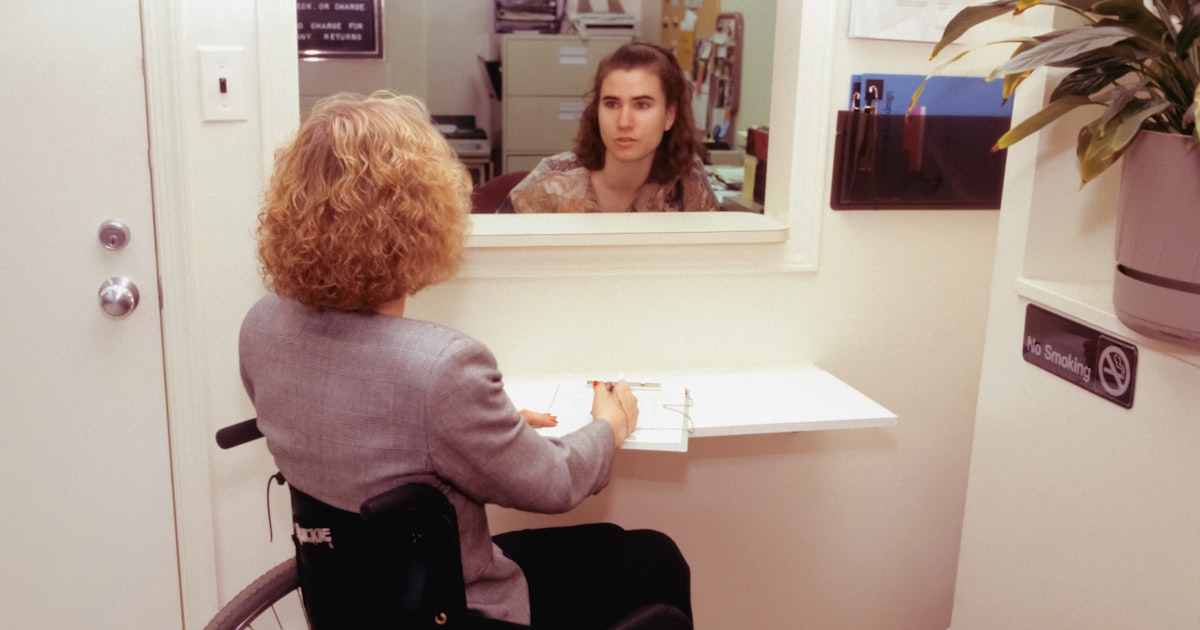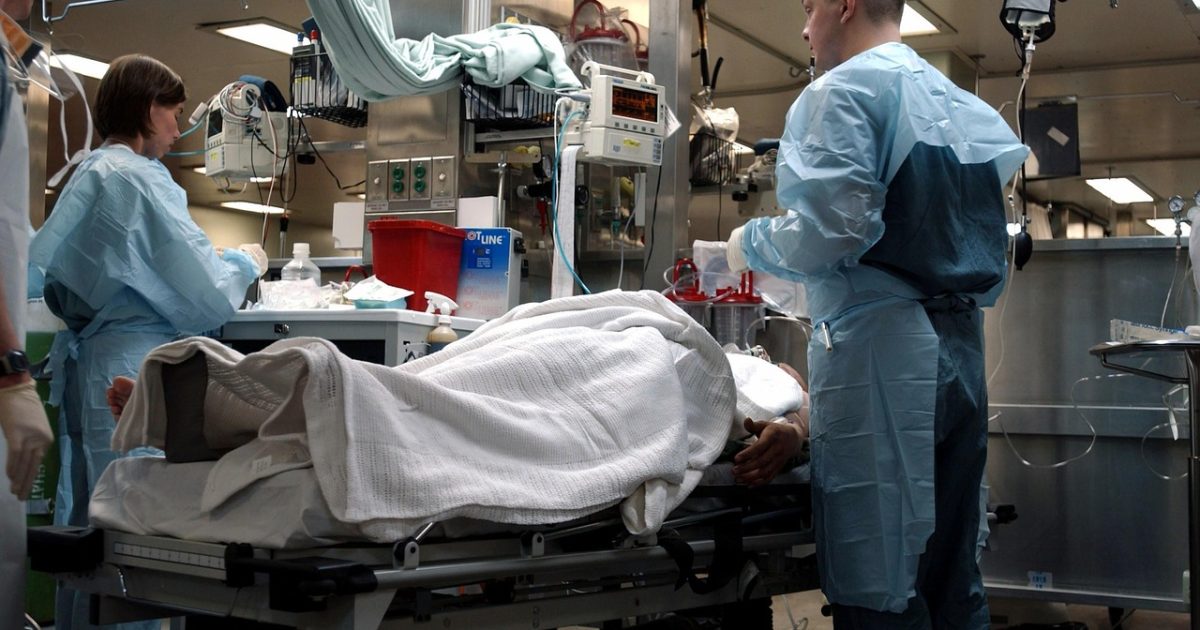

The NHS could not run without the people behind the scenes. For every doctor, nurse and therapist, there are staff booking appointments, managing records, answering phones, ordering supplies and keeping departments organised. These administration and clerical jobs are a real and rewarding way to work in the health service, and you do not need any medical training to do them.
If you are organised, good with people, and want a steady job that helps others, this part of the NHS is well worth a look. This guide explains the main roles, the skills employers want, how the pay works, and the practical steps to get started. It is general information to help you find your footing.
Why NHS admin matters
Behind the clinical care, there is a huge amount of organising to be done. Patients need their appointments booked and rebooked. Records have to be accurate and up to date. Letters go out, results come in, clinics get scheduled, and departments need someone keeping it all moving.
That is the job of NHS administration and clerical staff. When this work is done well, patients get seen on time, clinicians have what they need, and the whole system runs more smoothly. When it goes wrong, appointments get missed and care is delayed. So while these roles are not clinical, they matter a great deal to patients.
For many people, NHS admin is also a stable and meaningful place to build a career. You get to support important work, you are part of a large and respected employer, and there are clear ways to progress.
Common administration and clerical roles
"Admin" covers a wide range of jobs, from front-desk work to senior management support. Here are some of the most common, with a plain description of each.
Receptionist
The first person many patients meet. Receptionists greet people, check them in, answer questions and direct them to the right place. It is a busy, people-facing role that needs a calm and friendly manner.
Ward clerk
Ward clerks keep a hospital ward organised. They manage patient records, handle phone calls, book tests and transport, and act as a point of contact for staff, patients and families. They are the organisational glue of a ward.
Medical secretary
Medical secretaries support doctors and clinical teams. They type letters and reports, manage diaries, arrange appointments and handle correspondence. Good typing, accuracy and a grasp of medical terms help in this role, though much can be learned on the job.
Booking and scheduling clerk
These staff manage the appointment system, arranging and rearranging clinics and theatre lists so that patients are seen in the right order and slots are not wasted. Attention to detail is key.
Health records staff
Health records teams look after patient files, both paper and electronic. They make sure information is accurate, properly stored, and available to the right people while kept confidential.
Administrative officers and team coordinators
These roles support a department or service more broadly: managing data, producing reports, ordering supplies, supporting meetings and helping run the office. As you gain experience, you can take on more responsibility.
The skills employers look for
You do not need a degree or healthcare background for most entry-level admin jobs. What employers really want is a set of practical, everyday skills.
- Good organisation. You will juggle several tasks and deadlines, so being methodical matters.
- Clear communication. You will speak and write to patients, families and colleagues, often people who are worried or unwell.
- Basic computer skills. Much of the work is on a computer, using email, spreadsheets and NHS systems. You will be trained on the specific systems.
- Accuracy and care. Records and bookings have to be right, because mistakes can affect patient care.
- A calm, professional manner. Reception and ward areas can get busy and emotional. Staying steady helps.
- Discretion. You will handle confidential patient information and must keep it private.
If you have worked in an office, a shop, a call centre or any role dealing with the public, you already have transferable skills. Many successful NHS admin staff came from completely different jobs.
How the pay and conditions work
NHS administration and clerical staff are paid under Agenda for Change, the national pay system used across the NHS. Each role is matched to a pay band based on the skills and responsibility involved. Entry-level admin roles sit in the lower bands, with more senior and specialist roles in higher bands.
Worth understanding:
- Pay is set nationally and updated at each pay award, so any figure you see today will change. Check the current rate when you apply.
- You get NHS terms and benefits. These usually include generous annual leave that grows with service, sick pay, and access to the NHS Pension Scheme, which is a valuable benefit.
- Hours can be flexible. Many admin roles offer full-time, part-time and sometimes flexible patterns, which can suit people with other commitments.
These solid terms are a big reason people stay in NHS admin for the long term.
How to get started
Getting into NHS admin is more achievable than many people think. Here is a practical approach.
Look in the right place
NHS jobs are advertised on official channels, and almost all roles are applied for online. Set aside time to search regularly, as new posts appear often. You can browse what is being advertised near you and then apply through the official route.
Consider entry-level and support roles
If you have little office experience, start with an entry-level post such as a receptionist, clerk or junior administrator. These are designed for people building their skills, and they are a genuine way into the organisation. Once you are in, internal opportunities open up.
Look at apprenticeships
The NHS offers business administration apprenticeships, where you work in a real role, earn a wage and gain a recognised qualification at the same time. This is an excellent route if you want to learn on the job rather than study first. Availability depends on local employers, so check what is on offer in your area.
Think about temporary and bank work
Many trusts run a staff bank that includes admin and clerical roles. Bank work lets you pick up shifts flexibly and is a common way to get known by a trust before a permanent post comes up. It is also a good way to try different departments.
Make your application count
When you apply, tailor your application to the job. NHS applications usually ask you to show how you meet each point in the "person specification", which is the list of skills and qualities they want. Go through it point by point and give a short example for each. Plain, specific examples beat vague claims every time.
Where it can lead
NHS admin is not a dead end. It can be the start of a long and varied career.
- Move up within admin. From a clerk or receptionist, you can progress to coordinator, supervisor, office manager and beyond.
- Specialise. You might focus on areas such as health records, data, scheduling or medical secretarial work.
- Move sideways. Skills built in admin can open doors to roles in finance, human resources, IT, project work and management support across the NHS.
- Step into management. Experienced administrators often move into team leadership and service management.
Because the NHS is so large, there is usually somewhere to grow once you are in. Many senior managers started in a junior admin role years earlier.
A few final words
This article is general information to help you understand NHS administration and clerical work and how to get started. It is not formal careers advice, and details such as pay, apprenticeship availability and entry requirements change over time and vary by employer. Always check the current information with the employer before applying.
If office-based NHS work appeals, you can browse current roles on GovJobs to see what is being advertised near you. When you are ready to apply, the official place to look and submit applications is NHS Jobs. To read more about the many non-clinical careers in the health service, NHS Health Careers is a helpful guide.