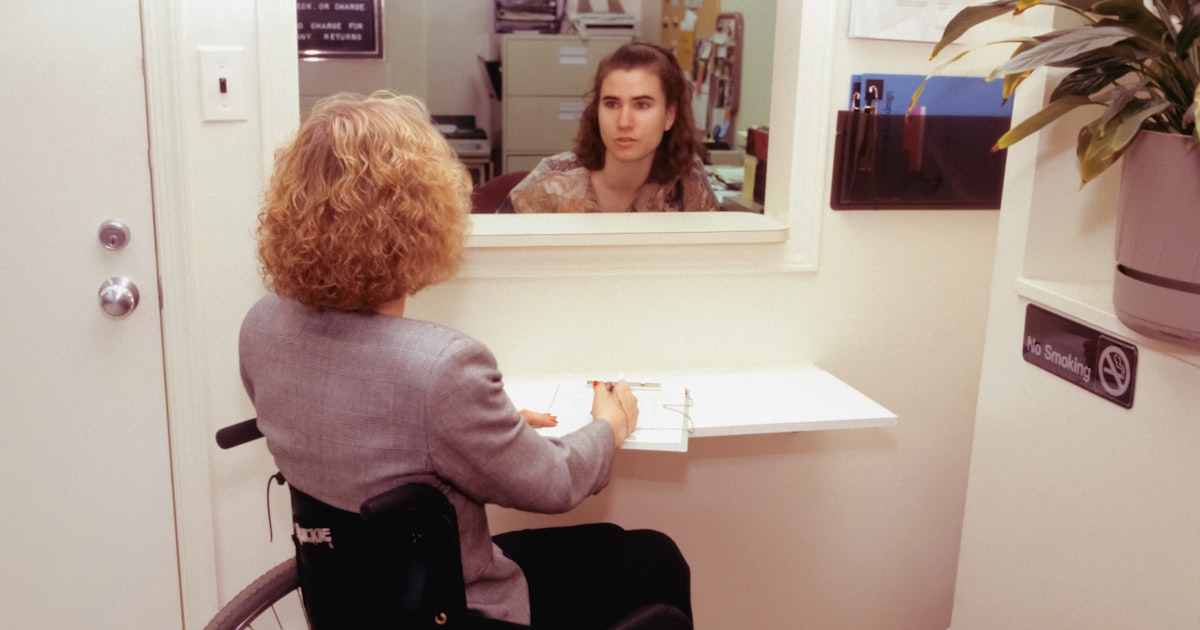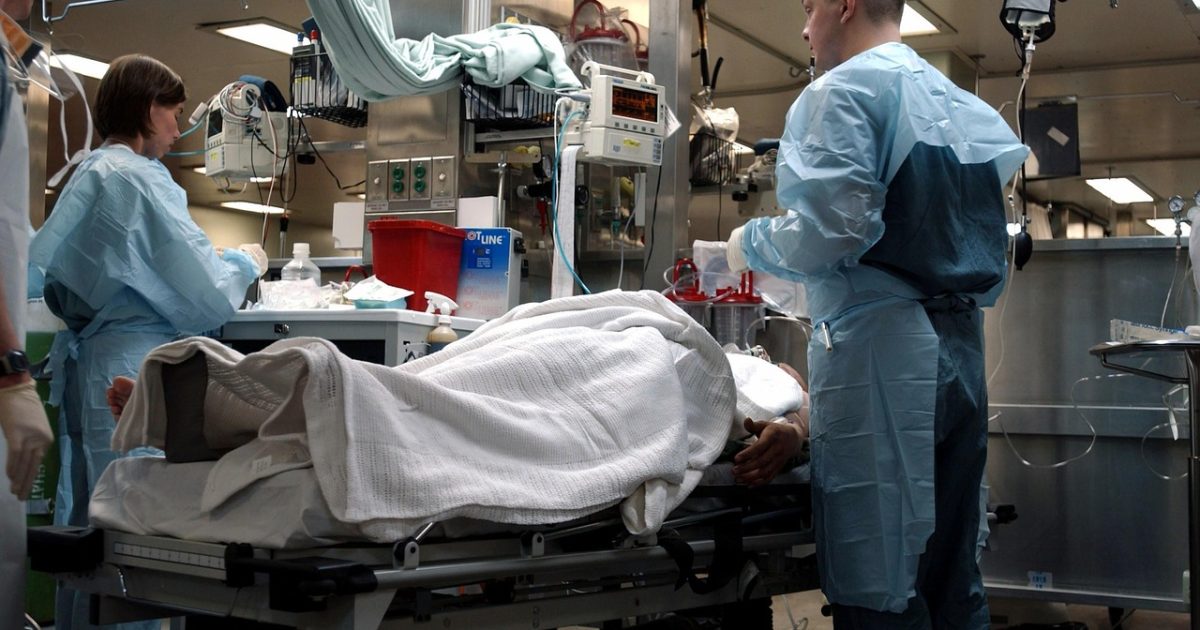

An apprenticeship is a real job with training built in. You earn a wage, work alongside experienced staff, and study for a recognised qualification at the same time. The NHS uses apprenticeships widely, and they have become one of the best ways into a health career for people who would rather learn on the job than spend years studying full time first.
This guide explains how NHS apprenticeships work, the sort of roles you can train for, who they suit, and how to apply. It is written for people who are new to the idea, so we explain the terms as we go.
What an NHS apprenticeship actually is
An apprenticeship combines paid work with structured learning. You are employed by an NHS organisation, usually an NHS trust, and you spend most of your week doing the job. A portion of your time, often around a day a week, is set aside for study, which is sometimes called "off-the-job training". At the end you gain a qualification and, in many cases, a route into a registered profession.
Apprenticeships come at different levels, which roughly match other qualifications:
- Intermediate and advanced levels suit people starting out or building basic skills.
- Higher levels can be equivalent to a foundation degree.
- Degree apprenticeships lead to a full bachelor's or master's degree, with no student tuition fees to pay yourself.
That last point matters. A degree apprenticeship lets you become a qualified professional, such as a nurse, while earning a salary and avoiding the tuition costs of a traditional university course.
How the pay and study work
Because you are employed, you are paid for your work. NHS staff are paid through a national system called Agenda for Change, which sorts roles into pay bands. Apprentice pay varies depending on the role and level, and figures change at each pay award, so we won't quote amounts. Always check the salary on the actual advert.
Your study is paid for by your employer and the apprenticeship system, not by you. You usually work towards your qualification with a college, university or training provider while remaining employed by the NHS. You get protected time during your working week to learn, attend classes and complete assessments.
What this means in practice
- You earn from day one rather than building up student debt.
- You gain real experience that employers value highly.
- You need to balance work, study and assessments, which takes commitment.
- You commit to a fixed training period, which can run from around a year to several years for a degree.
The kinds of roles you can train for
The NHS offers apprenticeships across a huge range of jobs, not just clinical ones. Some lead directly into hands-on patient care, while others support the running of the organisation.
Clinical and patient-facing routes
- Healthcare support worker apprenticeships, a common entry point into care.
- Nursing associate, a role that sits between a healthcare assistant and a registered nurse.
- Registered nurse degree apprenticeships, which lead to full nurse registration.
- Allied health roles such as physiotherapy, occupational therapy and paramedic apprenticeships.
- Dental nursing, pharmacy and maternity support routes.
Non-clinical routes
- Business administration and customer service.
- Finance, human resources and project management.
- Information technology and digital roles.
- Estates and facilities, such as engineering and catering.
This breadth means an NHS apprenticeship can suit people with very different interests. You do not have to want to be a nurse to find a route in.
Who apprenticeships suit
Apprenticeships are open to a wide range of people, and there is no single age limit. They can suit:
- School and college leavers who want to start working and earning rather than going straight to university.
- Career changers moving into healthcare from another industry.
- Existing NHS staff who want to step up, for example a healthcare assistant training to become a registered nurse.
- People returning to work after a break who want structure and support.
Entry requirements depend on the level. Lower-level apprenticeships may ask for little or no formal qualification, while degree apprenticeships usually expect certain school qualifications, often including English and maths. Many programmes will help you gain English and maths qualifications alongside the apprenticeship if you do not yet have them.
What employers look for
For most apprenticeships, your attitude matters as much as your grades. The NHS wants people who are reliable, willing to learn and genuinely care about helping others. Clinical roles especially look for kindness, good communication and the ability to stay calm.
Any relevant experience helps, even unpaid. Caring for a relative, volunteering, or a part-time job dealing with the public all show useful skills. Mention these clearly when you apply.
How to find NHS apprenticeships
NHS apprenticeship vacancies are advertised in a few places, and it is worth checking more than one.
- NHS Jobs at jobs.nhs.uk, the official site for most NHS vacancies in England, lists many apprenticeship posts.
- The UK government's Find an apprenticeship service lists apprenticeships across all sectors, including the NHS.
- Individual NHS trust websites often advertise their own apprenticeship schemes.
- GovJobs brings NHS listings together so you can search in one place before applying through the official route.
Some trusts manage applications through a system called TRAC, so you may be redirected there to complete the forms.
Search tips
- Search a range of terms, such as "apprentice", "apprenticeship", "trainee" and "nursing associate".
- Set up alerts so new posts come to you.
- Apply early, as popular apprenticeships attract a lot of interest and can close quickly.
Applying and what to expect
NHS adverts come with a person specification, which lists the essential and desirable things the employer wants. The application form includes a supporting statement box where you explain why you are suitable. Work through the essential criteria and give a real example for each, rather than writing in general terms. If you have little work experience, draw on school, volunteering or home life.
If you are shortlisted, you will be invited to an interview. Many NHS interviews use values-based questions, which ask how you would behave in real situations and link to the NHS values of compassion, respect and working together for patients. Some apprenticeships also include a short test of basic English or maths. Ask the recruiter what to expect so there are no surprises.
A job offer will be conditional on pre-employment checks, which can include a criminal record check through the Disclosure and Barring Service, proof of your right to work, occupational health clearance and references. Wait until these are confirmed in writing before leaving any current job.
Where an apprenticeship can take you
The real strength of an apprenticeship is where it leads. Finishing one gives you both a qualification and a track record of real work, which is a powerful combination. Many people move straight into a permanent role with the trust that trained them.
From there, the NHS has clear progression routes. A healthcare support worker can train as a nursing associate, then as a registered nurse. A non-clinical apprentice can move up into senior administrative or management roles. Because you learn while you earn, you build experience that pure study cannot give you.
Before you apply
This article is general information to help you understand how NHS apprenticeships work. It is not formal careers advice, and individual trusts and training providers run their schemes differently, so always follow the details on the specific advert and ask the recruiter if anything is unclear.
When you are ready, browse current NHS roles and apprenticeships on GovJobs to see what is open near you, then apply through the official NHS Jobs site at jobs.nhs.uk. An apprenticeship lets you earn, learn and build a real career at the same time, and for many people it is the smartest way into the NHS.