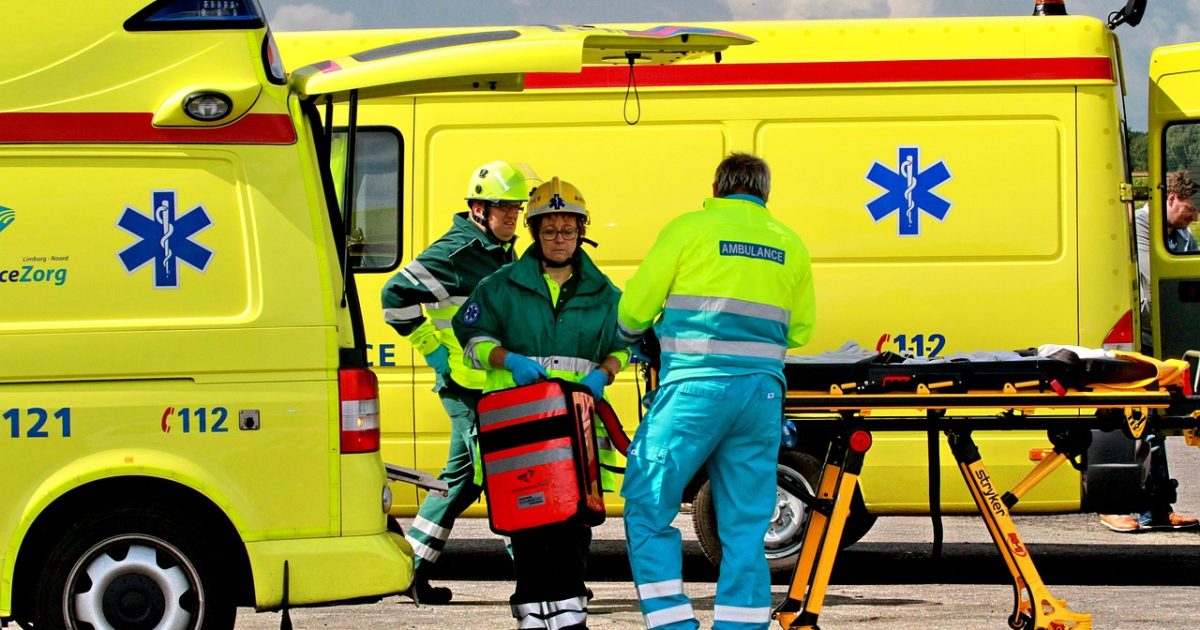
The ambulance service is far more than the green vehicle you see racing through traffic. It is a large and varied part of the NHS that brings together call handlers, drivers, emergency care assistants, technicians, paramedics and many support staff. Together they answer 999 medical calls, treat people at the roadside and in their homes, and get patients the care they need.
If you want a career where you help people directly, often in their most vulnerable moments, the ambulance service offers several different routes. Some need years of training, others let you start with the right attitude and learn on the job. This guide walks through the main roles and how to begin.
How the ambulance service is organised
Across the UK, ambulance services are run as NHS trusts (or the equivalent in each nation), each covering a region. They handle emergency 999 calls, urgent care, and patient transport, and they work closely with hospitals, GPs and other parts of the health system.
Recruitment is run by each trust, so the exact roles, titles and entry requirements vary by area and over time. The descriptions below are a general guide to help you understand the options, not a fixed national list.
The main frontline roles
There is a clear ladder of clinical roles, and you can often step on at different points depending on your starting position.
Emergency care assistant
This is frequently the first step into frontline ambulance work. Emergency care assistants (sometimes called ambulance care assistants or support workers, with titles varying by trust) work alongside a more qualified colleague. They help care for patients, move and handle them safely, drive the vehicle, and support treatment. Many roles at this level do not require previous medical qualifications, which makes it a popular way in. You learn a great deal on the job.
Associate ambulance practitioner and technician
With training and experience, you can progress to roles such as associate ambulance practitioner or ambulance technician. These staff take on more clinical responsibility, assess patients, and deliver a wider range of treatments, though within defined limits and often working alongside a paramedic.
Paramedic
The paramedic is the senior clinician on most frontline ambulances. Paramedics assess patients, make clinical decisions, give medicines and treatments, and decide whether someone needs hospital or can be cared for elsewhere. It is a demanding, highly skilled role.
Importantly, paramedic is a regulated, protected profession. To work as a paramedic in the UK you must be registered with the Health and Care Professions Council (the HCPC), the body that sets the standards for the profession. You cannot call yourself a paramedic without that registration. Becoming one usually means completing an approved paramedic degree at university, or a degree apprenticeship route where you earn while you study, and then registering with the HCPC.
Specialist and advanced roles
Experienced paramedics can go further still, into roles such as specialist or advanced paramedics, critical care, and air ambulance work, or into clinical roles in GP surgeries and urgent care. These usually require additional study and experience.
Roles away from the front line
Not every ambulance service career involves treating patients at the roadside. The service depends on a wide range of other staff.
- 999 and 111 call handlers and dispatchers answer emergency and urgent calls, assess them, give advice and life-saving instructions over the phone, and send the right help. This is a vital control room role and a common entry point.
- Patient transport staff take patients to and from appointments and between hospitals, supporting people who need help getting to care.
- Clinical advisers and triage staff assess calls and help direct patients to the most appropriate care.
- Fleet, logistics and equipment teams keep vehicles and kit ready around the clock.
- Corporate and support staff in HR, finance, IT, training and administration keep the trust running, just as in any large organisation.
If you are coming from another field, these roles can be a way to join the service and build experience before moving into a clinical career, or a rewarding destination in their own right.
What the work is really like
It is worth being clear-eyed about the realities before you apply.
The work is physically and emotionally demanding. You lift and move patients, work in all weathers and difficult environments, and deal with serious illness, injury and death. Some shifts are relentless.
It involves shift work. Medical emergencies do not keep office hours, so you will work days, nights, weekends and bank holidays.
It can be distressing. You will meet people on the worst day of their lives. Trusts provide support and the chance to talk things through, but resilience and the willingness to use that support matter.
And it is genuinely rewarding. Few careers let you make such a direct difference, sometimes the difference between life and death. The teamwork and sense of purpose are things many staff say they could not find anywhere else.
Skills and qualities that help
Whatever route you take, certain qualities run through all good ambulance service staff.
- Calm, clear thinking under pressure.
- Strong communication and the ability to reassure frightened people.
- Compassion balanced with the ability to keep doing the job.
- Teamwork and reliability.
- Physical fitness for hands-on roles.
- A driving licence is needed for many operational roles, sometimes with additional categories for larger vehicles.
For paramedic roles you also need the academic ability to complete a degree-level qualification and meet the professional standards required for HCPC registration.
How to get started
The right first step depends on where you are now.
- No medical background? Look at emergency care assistant, patient transport, or call handler roles, where the right attitude and transferable skills count for a lot and training is provided.
- Want to become a paramedic? You can study an approved paramedic degree at university, or look for a paramedic degree apprenticeship with an ambulance trust, which lets you earn while you qualify. Either way, you must register with the HCPC before you can practise.
- Already have skills from another sector? IT, logistics, HR, customer service and driving experience all transfer into ambulance service support and operational roles.
Recruitment runs through each trust, often via NHS job listings, so check the trust that covers your area for current vacancies and exact entry requirements. The criteria for clinical roles in particular can change, so always rely on the trust's own up to date information.
A few final words
This is general information to help you understand the careers available in the ambulance service, not formal careers advice. Roles, titles, training routes and requirements vary between trusts and across the UK and change over time, so always check the detail with the trust you are applying to. Remember that paramedic is a regulated profession requiring HCPC registration.
When you are ready to see what is currently available, you can browse ambulance service and other emergency-services vacancies on GovJobs. When you find a role that fits, apply through the recruiting NHS ambulance trust's own website or NHS Jobs, where you will get the most accurate and up to date guidance for that specific opportunity.