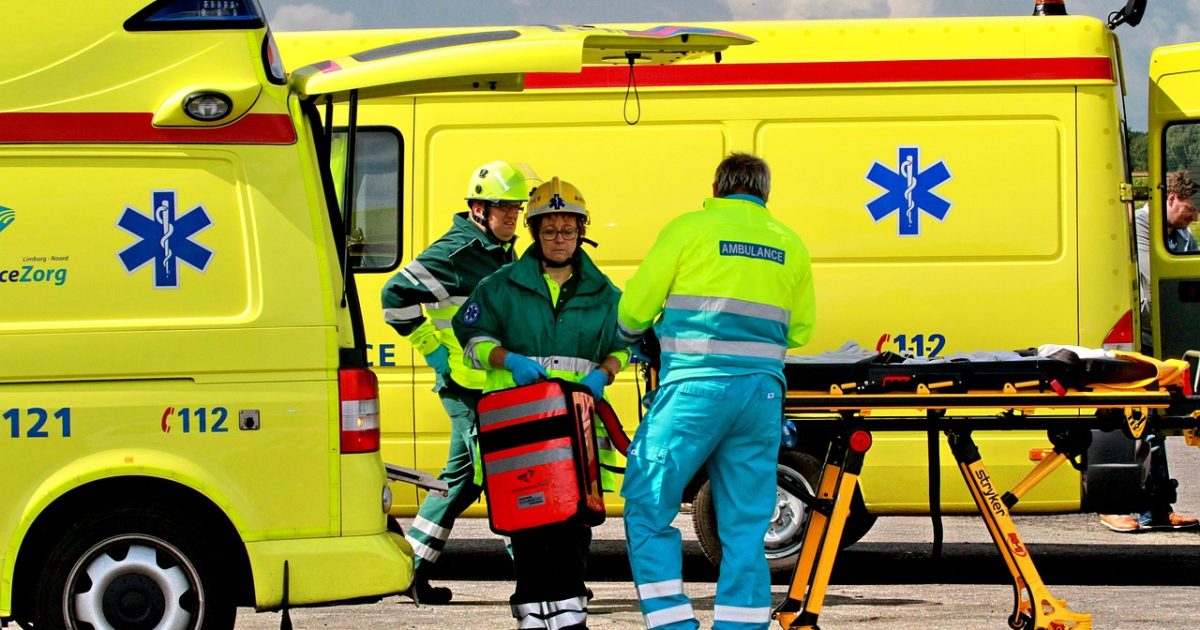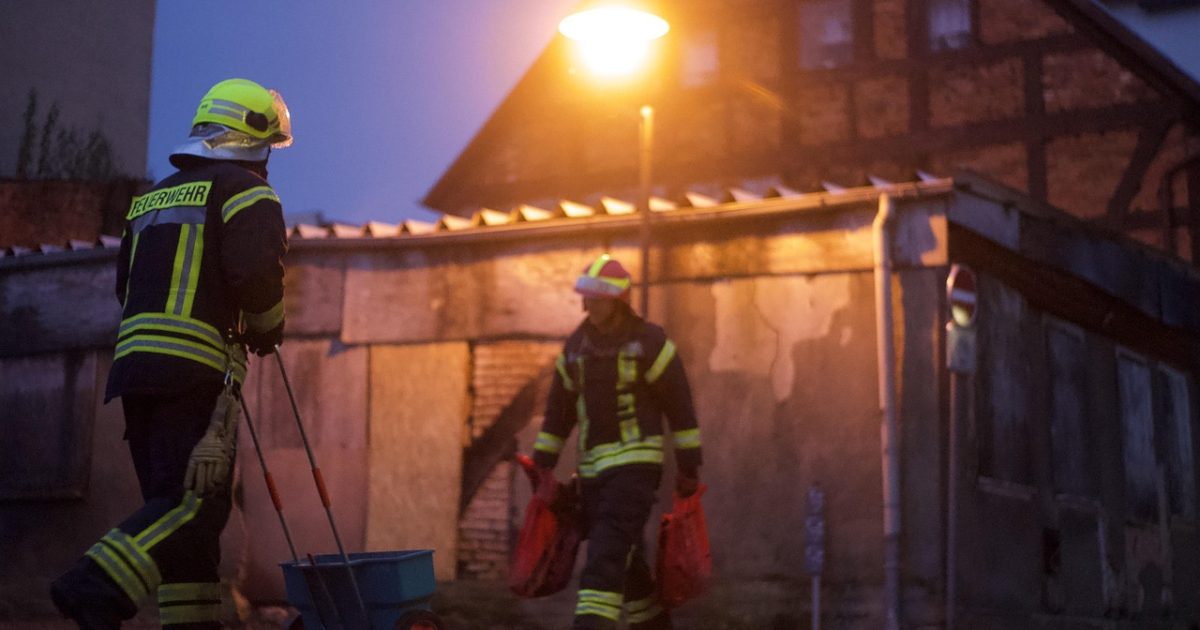
When someone dials 999, the first person they speak to is a call handler. It is one of the most important jobs in the emergency services, and one that very few people outside it understand. Call handlers are the calm voice at the other end of the line during a fire, a crime in progress, a road crash or a medical emergency. They gather the facts, work out what is needed, and set the right response in motion, often while keeping a frightened caller steady.
If you are a clear thinker who stays calm under pressure and wants to help people without being on the front line, this could be the role for you. Here is what it really involves and how to get into it.
What a 999 call handler does
A call handler, sometimes called a call operator, contact handler or emergency dispatcher, answers emergency and non-emergency calls and decides what happens next. The exact job depends on which service you work for, as the police, fire and ambulance services each run their own control rooms.
The core of the work is the same across all of them.
- Answer the call quickly and calmly, whatever the situation.
- Find out what is happening, where, and who is involved, often from a panicking or confused caller.
- Assess how serious and urgent it is, sometimes using a structured set of questions designed to grade the response.
- Log everything accurately on a computer system while still talking to the caller.
- Pass the job on to dispatchers, or in smaller setups dispatch resources yourself, sending officers, crews or ambulances to the scene.
- Stay on the line where needed, giving safety advice or, in the ambulance service, life-saving instructions such as how to do CPR before help arrives.
You also handle the 101 and 111 style non-emergency calls in many roles, which can be just as demanding in different ways.
The skills that matter most
You do not need a particular degree or a long list of qualifications to apply for most call handler roles. What you do need are the right personal qualities, and these matter far more than your background.
- Calm under pressure. You will take distressing calls, sometimes back to back. You need to keep your own emotions steady so you can help.
- Clear communication. You must speak plainly, listen carefully, and get the information you need from people who are upset or hard to understand.
- Quick, accurate thinking. You make fast judgements with incomplete information, and small details matter.
- Good keyboard and computer skills. You type and read on screen while talking, so multitasking is essential.
- Empathy with boundaries. You care about the caller, but you cannot let emotion stop you doing the job.
- Resilience. Some calls stay with you. The ability to cope, and to use the support available, is part of the role.
If you have worked in customer service, healthcare, hospitality or any job dealing with the public under pressure, those skills transfer well.
What the work is really like
It is worth being honest about the realities, because this is not an ordinary office job.
Call handling is shift work. Emergencies happen around the clock, so you will work days, nights, weekends and bank holidays on a rota. Shifts can be long, and busy periods are intense.
The work is emotionally demanding. You will hear from people at the worst moments of their lives. Some calls are upsetting, and you may never find out how they ended. Services know this and provide support, training and ways to talk things through, but it is something to think about seriously before applying.
It is also deeply rewarding. Few jobs let you genuinely help save a life or protect someone in danger. Call handlers describe a strong sense of teamwork and purpose, and the knowledge that they made a real difference, often without the caller ever knowing their name.
How the application process works
Recruitment is run by individual police forces, fire and rescue services, and ambulance trusts, so the steps vary. A typical process looks something like this.
- 1.Online application, where you set out your eligibility and why you want the role.
- 2.Assessment or testing, which often includes a typing and listening test, exercises that mimic taking a call, and tests of your judgement and accuracy.
- 3.Interview, where you talk about how you handle pressure, communicate and treat people, usually with examples from your past.
- 4.Vetting and background checks, because you will handle sensitive and confidential information. As with other emergency-services roles, being honest about your background matters more than having a flawless record.
- 5.Health checks and references before a formal offer.
Because the role depends so heavily on the right temperament, the testing stages focus on how you actually perform a call rather than on qualifications.
Training and progression
You will not be thrown onto live 999 calls on day one. New call handlers go through a structured training programme that covers the computer systems, the questioning process, the law and procedures relevant to the service, and how to handle different types of call. You then take calls with support and supervision before working more independently.
In the ambulance service in particular, training includes giving medical advice over the phone, and call handlers there often work within a recognised clinical triage system. Whichever service you join, learning continues as you gain experience.
There is room to grow. Experienced call handlers can move into:
- Dispatch roles, coordinating and tracking resources.
- Supervisor and team leader positions in the control room.
- Training and quality roles, helping new staff and improving standards.
- Specialist functions, depending on the service.
Some people use control room experience as a stepping stone into other emergency-services careers, having seen the work from the inside.
Is it the right job for you?
Ask yourself a few honest questions before applying. Can you stay calm when someone is screaming down the phone? Can you make a quick decision and stick to it? Can you cope with hearing difficult things and then take the next call? Can you work nights and weekends? If you can answer yes, and you want a role with real meaning, this could suit you very well.
It helps to talk to people who do the job if you can, and to read the detailed information each service publishes about the role, including the shift patterns and the support on offer.
A few final words
This is general information to help you understand what working as a 999 call handler involves, not formal careers advice. Roles, processes and requirements vary between police, fire and ambulance services and change over time, so always check the detail with the service you are applying to.
When you want to see what is currently available, you can browse call handler and other emergency-services vacancies on GovJobs. When you find a role that fits, apply through the recruiting service's own website, where you will get the most accurate and up to date guidance for that specific job.