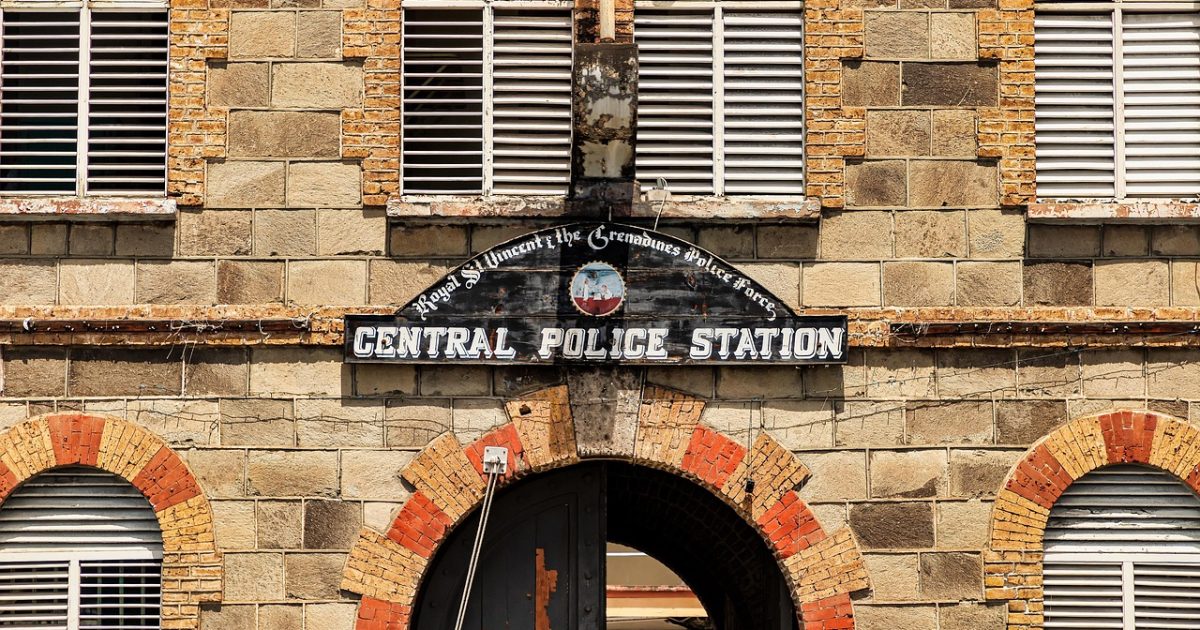

When people think about working for the police, they usually picture a uniformed officer making arrests. But every police force depends on a large team of people who are not officers at all. These are police staff, sometimes called civilian staff, and they fill roles that range from answering 999 calls to analysing crime data, fixing computers, and supporting victims.
Police staff jobs are a brilliant and often overlooked way into policing. You do not hold the powers of a constable, so you do not carry a warrant card or make arrests. Instead, you bring professional skills that keep the whole organisation working. If you want to contribute to public safety without being a frontline officer, this could be the path for you.
What is a police staff role?
A police staff member is an employee of a police force who is not a sworn officer. You are still part of the policing family and many roles work closely alongside officers, sometimes in the thick of operations. The difference is legal: officers have specific powers and responsibilities under the law, while staff support and enable the work in other ways.
Some staff roles are office based and run on regular daytime hours. Others, especially in control rooms or custody, involve shift work including nights and weekends, much like officers. Pay is set on staff pay scales, which differ from officer pay, and forces typically offer a pension, holiday entitlement and other employee benefits.
The main types of police staff jobs
The range is huge. Here are some of the most common areas, grouped to help you see where your skills might fit.
Contact and control room roles
These are some of the busiest jobs in any force.
- 999 and 101 call handlers answer emergency and non-emergency calls, work out what is happening, and decide what response is needed.
- Dispatchers and radio operators send officers to incidents and keep track of them, often handling several jobs at once.
These roles suit calm, quick thinkers who can keep their head when callers are frightened or distressed.
Investigation and intelligence support
- Crime analysts study patterns in data to help forces understand where and when crimes happen and how to prevent them.
- Investigators and case file handlers (police staff investigators) help build and progress cases, interview witnesses, and prepare evidence, sometimes in specialist teams such as fraud or online child protection.
- Intelligence officers gather and assess information to support operations.
Forensics and scientific support
- Crime scene investigators (also called scenes of crime officers) recover evidence such as fingerprints and DNA from incidents.
- Forensic and digital forensics technicians examine evidence in laboratories, including data on phones and computers.
These roles often need specific training or a relevant science background, and they involve careful, methodical work.
Custody and detention
- Detention officers look after people held in custody, keeping them safe and supporting the custody process.
Professional and corporate services
Forces are large organisations and need the same support functions as any big employer.
- Human resources, finance, payroll and procurement.
- IT and digital teams who keep systems and devices running.
- Communications, media and public engagement staff.
- Estates, fleet and facilities teams who manage buildings and vehicles.
- Legal services and information management, including handling records and data requests.
Victim and community support
- Victim and witness care officers keep people who have been affected by crime informed and supported through the justice process.
- Police Community Support Officers (PCSOs) are uniformed staff who work in neighbourhoods. They are not officers and have fewer powers, but they are a visible, reassuring presence and a key link between the public and the police.
What skills and qualifications do you need?
This varies enormously by role, which is part of the appeal. There is rarely a single qualification that opens every door.
- Entry-level roles such as some call handling, detention and PCSO posts often value the right attitude and transferable skills more than formal qualifications. Good communication, reliability and the ability to stay calm matter most.
- Professional roles in IT, finance, HR or legal services usually want the relevant qualifications or experience you would need for the same job in any sector.
- Specialist roles such as analysts or forensics staff may ask for a degree or specific technical training, though not always.
If you are coming from a completely different industry, do not assume policing is closed to you. Forces actively want people with outside experience. A retail manager, an accountant, a software developer or a customer service adviser can all find a home in police staff roles.
How the application process works
Recruitment for staff roles is run by each individual force, so the steps differ. In general you can expect:
- 1.An online application or CV submission, often with a supporting statement explaining how you meet the role's requirements.
- 2.A sift or shortlisting stage, where applications are checked against the essential criteria.
- 3.An interview, sometimes with a practical exercise or test relevant to the job, such as a typing and listening test for call handlers.
- 4.Vetting, because even non-officer staff often have access to sensitive information. The level of vetting depends on the role.
- 5.Pre-employment checks such as references and a health check.
Vetting is worth taking seriously. As with officer roles, honesty about your background is far more important than having a perfect record. Be upfront and let the recruitment team advise you.
Why consider a police staff career?
There are some real attractions to these roles.
- You make a genuine difference to public safety without needing to become a warranted officer.
- The variety is enormous, so there is likely a role that matches your existing skills.
- Many roles offer stability, structured pay, a pension and good leave.
- There is room to grow. Staff can move between departments, take on more responsibility, and some later choose to apply to become officers, bringing valuable experience with them.
- You join a strong team culture built around a shared sense of purpose.
It is fair to be clear about the trade-offs too. Some roles involve shift work and exposure to difficult or upsetting material, particularly in control rooms, custody, investigation and forensics. Forces provide support and training, but it is sensible to think about whether a role suits you before applying.
Finding the right role for you
If you are not sure where you fit, start by looking at the full range of vacancies a force has open. You may be surprised at how many non-officer jobs there are at any one time, from data and digital roles to community support. Read the job description carefully, especially the essential criteria, and think about how your past experience lines up.
It also helps to look beyond your nearest force. Regional and national policing bodies recruit staff too, and some specialist roles are based in dedicated units. Casting a slightly wider net can open up options you had not considered.
A few final words
This is general information to help you understand the range of police staff careers, not formal careers advice. Roles, requirements and recruitment processes change and differ between forces, so always check the detail with the force or organisation you are interested in.
When you want to see what is currently on offer, browse police and emergency-services vacancies on GovJobs. Once a staff role catches your eye, apply through the recruiting force's own website, where you will find the most accurate and up to date information for that specific job.