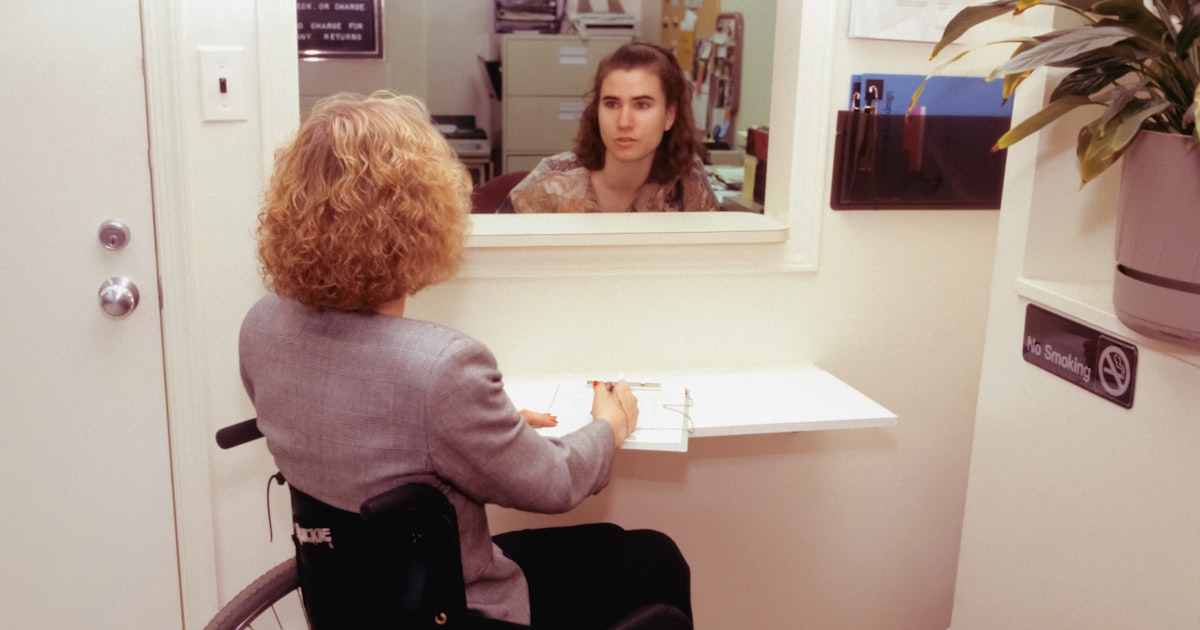

A healthcare assistant, often shortened to HCA, is one of the most important roles in the NHS. HCAs work alongside nurses and doctors to give patients hands-on care and keep wards and clinics running. It is also one of the best ways into the NHS if you do not yet have a degree or professional qualification, because many posts ask for no formal entry requirements beyond a willingness to learn.
This guide walks through what the job involves, what employers look for, how to apply, and how an HCA role can grow into a longer career in health and care. It is written for people thinking about applying for the first time.
What a healthcare assistant does
HCAs provide everyday care that helps patients stay comfortable, safe and clean. The exact tasks depend on where you work, but the role is practical, busy and very people-focused. You spend most of your shift on your feet and close to patients.
Typical duties
- Helping patients wash, dress and use the toilet.
- Helping people move safely, eat and drink.
- Making beds and keeping the area clean and tidy.
- Taking and recording observations such as temperature, pulse, breathing and blood pressure.
- Talking to patients and their families and offering reassurance.
- Supporting nurses during procedures and noticing when a patient's condition changes.
Different settings shape the work. On a hospital ward you might support people recovering from surgery. In the community you could visit people in their own homes. In a care of the elderly unit you may spend a lot of time helping people with dementia. Mental health, maternity and operating theatres all have HCA roles too, each with its own focus.
Where healthcare assistants fit on the NHS pay scale
NHS staff who are not doctors or dentists are paid through a national system called Agenda for Change, which sorts jobs into pay bands. Healthcare assistant roles usually sit at Band 2 or Band 3. Band 3 posts often involve more responsibility or extra training, such as taking bloods, which is called phlebotomy.
Pay is set nationally and updated at each annual pay award, so the figures change over time. We won't quote amounts here. Always check the salary on the actual advert, as that is the rate you would be paid. The advert will also tell you the band, the hours, and whether the role is permanent or fixed-term.
What you need to apply
One of the best things about HCA roles is how open they are. Many adverts ask for no specific qualifications at all. What employers really want is the right attitude and some evidence that you can care for people.
What usually helps
- A caring, patient and reliable nature.
- Good communication skills and a calm manner.
- Some experience of caring for others, paid or unpaid. This could be in a care home, as a support worker, or even caring for a family member.
- Basic literacy and numeracy, because you will record information accurately.
- A willingness to do shift work, including nights, weekends and bank holidays.
A few posts ask for a qualification such as the Care Certificate or an NVQ in health and social care. The Care Certificate is a set of agreed standards that new care workers are expected to meet. If you do not have it, do not be put off. Many employers will help you work towards it once you start.
Finding healthcare assistant vacancies
Almost all NHS HCA jobs are advertised on the official site, NHS Jobs, at jobs.nhs.uk. Some trusts manage applications through a system called TRAC, so you may be sent there to fill in the forms.
You can also browse current NHS support roles on GovJobs, which brings listings together so you can search in one place before applying through the official channel.
Search tips
- Try several terms, such as "healthcare assistant", "HCA", "support worker" and "nursing assistant", because trusts use different names.
- Set up alerts on NHS Jobs so new roles are emailed to you.
- Consider your local community trust as well as the main hospital, since both employ HCAs.
- Apply early. Popular posts sometimes close before the advertised date once enough people apply.
Making your application stand out
NHS adverts come with a person specification, which lists what the employer is looking for, usually split into essential and desirable points. Shortlisting panels score your application against this list, so it is the key to getting an interview.
The application form includes a supporting statement box. This is where you explain why you are right for the job. Go through the essential criteria and give a real example for each one. If they ask for caring experience, describe a time you cared for someone and what you did, rather than just saying you are caring.
A simple structure helps. For each example, briefly explain the situation, what you did, and what the result was. Keep your sentences short and check your spelling. Care work needs attention to detail, and a tidy form shows you have it.
Avoid these common slips
- Leaving the supporting statement nearly empty.
- Writing only about why you want the job, with no evidence of skills.
- Ignoring the essential criteria completely.
- Forgetting to mention relevant unpaid caring you have done at home.
What the interview is like
If you are shortlisted, you will be invited to an interview, in person or online. HCA interviews are usually friendly and focus on how you treat people. Many use values-based questions, which ask how you would act in real situations. These connect to the NHS values set out in the NHS Constitution, such as compassion, respect and dignity.
You might be asked how you would respond to an upset patient, how you would help someone keep their dignity while you wash them, or what you would do if you noticed a colleague doing something unsafe. There are no trick answers. They want to see kindness, honesty and good judgement.
How to prepare
- Read the NHS values before you go.
- Think of two or three examples from your own life where you cared for or helped someone.
- Be ready to explain why you want to work in healthcare.
- Prepare a question to ask, such as what training new HCAs receive.
Checks before you can start
A job offer is normally conditional, meaning it depends on pre-employment checks the NHS completes before your first day. These usually include:
- An enhanced Disclosure and Barring Service (DBS) check, which looks at your criminal record because you work with vulnerable people.
- Proof of your right to work in the UK.
- Occupational health clearance to confirm you are fit for the role.
- References covering your recent history.
These take a little time, so wait until everything is confirmed in writing before leaving any current job. Send any documents they ask for quickly to avoid delays.
Where the role can lead
An HCA job is a strong first step, not a dead end. The NHS actively supports staff who want to progress, and many nurses started as healthcare assistants.
Common routes forward
- Moving from Band 2 to Band 3 by taking on extra skills and training.
- Becoming a senior healthcare assistant or assistant practitioner.
- Joining a nursing degree apprenticeship, which lets you train as a registered nurse while you work and earn.
- Specialising in an area you enjoy, such as theatres, maternity or mental health.
Talk to your manager about your goals once you are settled. Showing willingness to learn opens doors, and the NHS has clear pathways to help you climb.
Before you apply
This guide is general information to help you understand NHS healthcare assistant roles. It is not formal careers advice, and each trust runs things slightly differently, so always follow the instructions on the specific advert.
When you are ready, browse current NHS support and HCA vacancies on GovJobs to see what is open near you, then apply through the official NHS Jobs site at jobs.nhs.uk. A healthcare assistant role is hard work, but it is genuinely rewarding, and for many people it is the start of a long NHS career.